Thinking about buying in Lakewood? It can look like a simple suburb search at first, but this village works a little differently than many nearby markets. If you want more space, a custom-home feel, or access to lake and outdoor amenities, it helps to know what truly drives value here before you write an offer. Let’s dive in.
Lakewood has a distinct housing market
Lakewood is an independent village in McHenry County with 4,283 residents, more than 1,500 housing units, and just over 5 square miles of land. The village also includes about 650 acres of open space, and its identity is closely tied to lakes, wetlands, and a natural residential setting.
For buyers, that setting is a big part of the appeal. Lakewood is not just another part of the broader Crystal Lake market. It tends to function as a higher-price submarket with its own character, lot patterns, and buyer expectations.
Recent data supports that difference. Zillow reported a typical Lakewood home value of $594,846 in April 2026, compared with $380,318 for Crystal Lake. Realtor.com also reported a median asking price of $658.2K in Lakewood, with 40 homes for sale, a 50-day median time on market, and homes selling about 3.03% below asking on average in March 2026.
That matters because your strategy may need to shift from one home to the next. A well-situated property with privacy, golf course frontage, or lake-related benefits may compete differently than a home that looks similar on paper but lacks those site advantages.
Most homes are detached single-family properties
If you are searching for a traditional detached home, Lakewood offers a strong match. CMAP data show that 92.9% of the housing stock is detached single-family homes, and 97.6% of homes are owner-occupied.
The housing stock also skews toward larger homes. The median year built is 1998, 50.9% of homes have 4 bedrooms, and 19.0% have 5 or more bedrooms. That can make Lakewood especially appealing if you want extra bedrooms, a larger footprint, or more outdoor space than you may find in other nearby areas.
This also means inventory can feel limited if you want a very specific setup. Buyers often compare homes by square footage first, but in Lakewood, lot size, layout, and location within the village can be just as important.
Lot size matters in Lakewood
One of the biggest things buyers should know is that Lakewood is shaped by local design and zoning rules. In the R-1 one-family district, newly platted lots must be at least 32,670 square feet, or three-quarters of an acre, with a minimum width of 150 feet. Homes in that district are limited to 35 feet in height and no more than two stories.
Those rules help explain why many Lakewood homes feel more spacious and spread out. You may notice wider lots, more distance between homes, and a custom rather than cookie-cutter feel in many areas of the village.
That said, not every part of Lakewood looks the same. The R-2 district, which includes Country Club Additions and The Gates, is described in the village code as having mature trees, smaller lots than elsewhere in the village, varied architecture, and a distinct beach-community character.
As a buyer, that means your experience can change a lot by neighborhood section. Two homes with similar bedroom counts may offer very different outdoor space, privacy, tree cover, and future flexibility for additions or exterior changes.
Home styles are more varied than you may expect
Lakewood is not a uniform tract-home market. The village’s Architectural Review Process is intended to retain community character, encourage custom and semi-custom construction, and prevent multiple homes with similar exterior designs.
That review process applies to all property in the village. New residential construction and additions require architect-stamped plans, and many exterior changes are also subject to review.
In real terms, that can be a benefit for long-term character and resale consistency. It can also mean you should dig deeper if you plan to update the exterior, add outdoor features, or make visible improvements after closing.
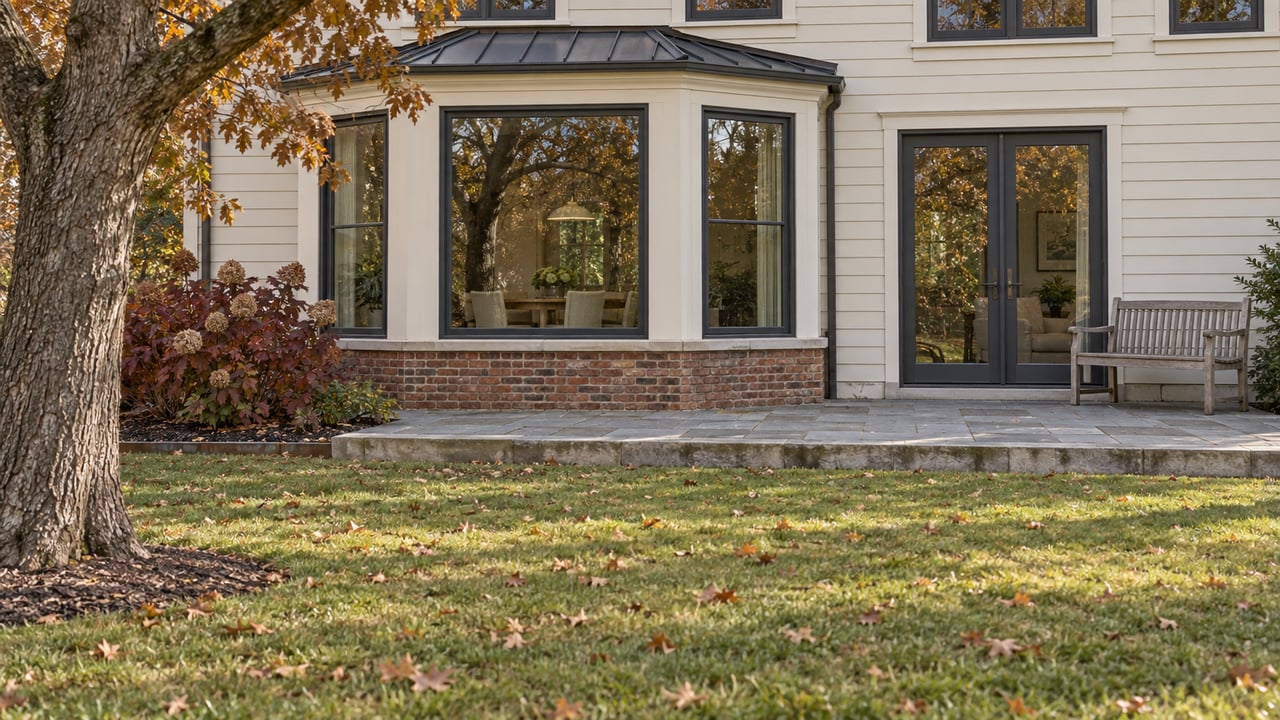
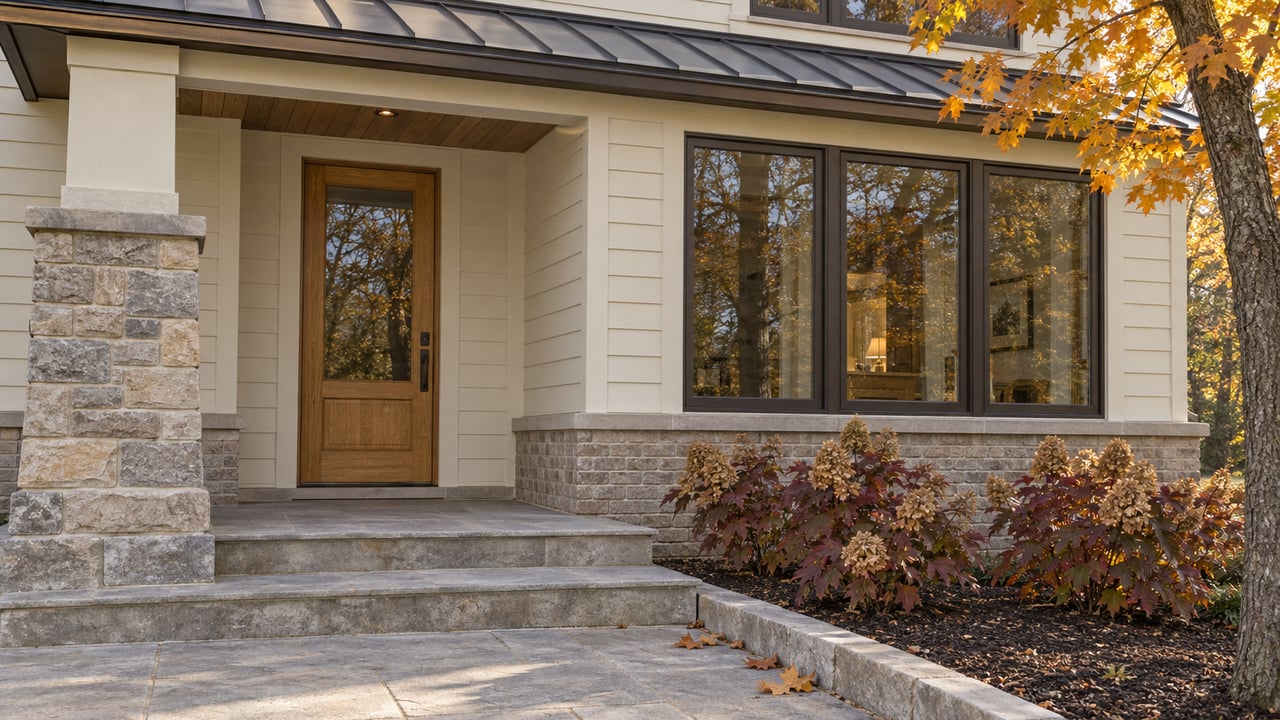
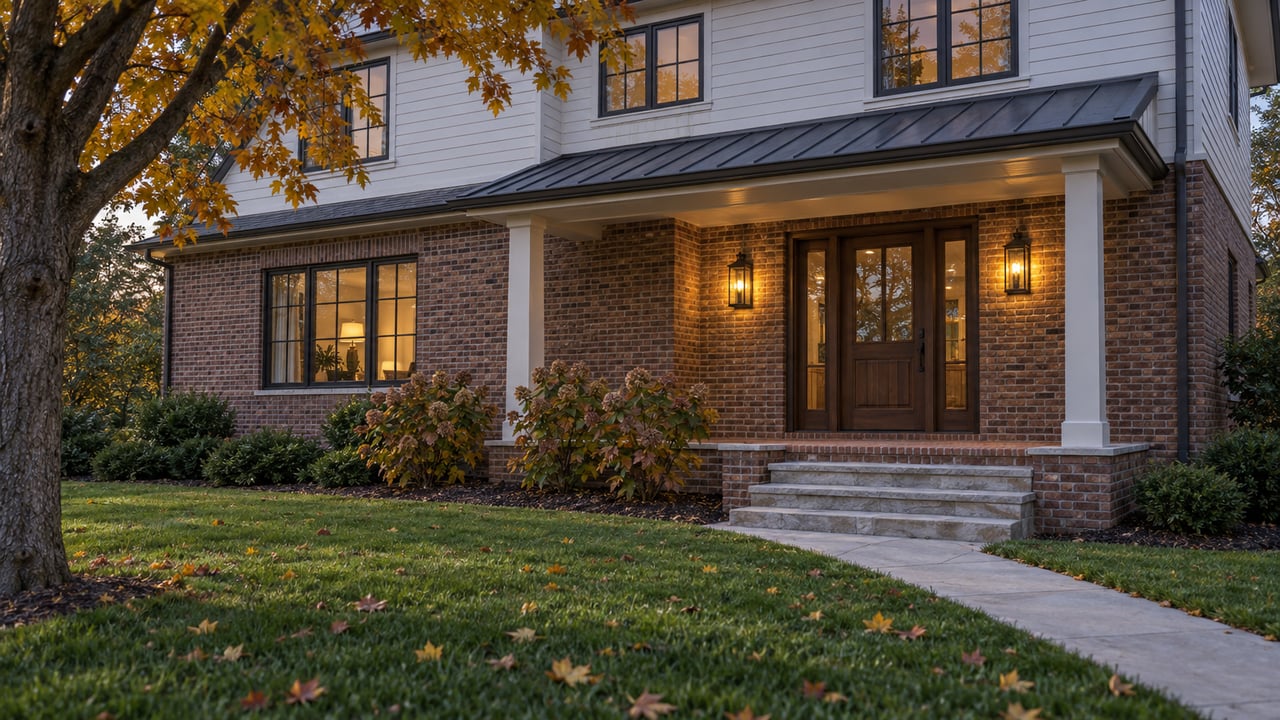
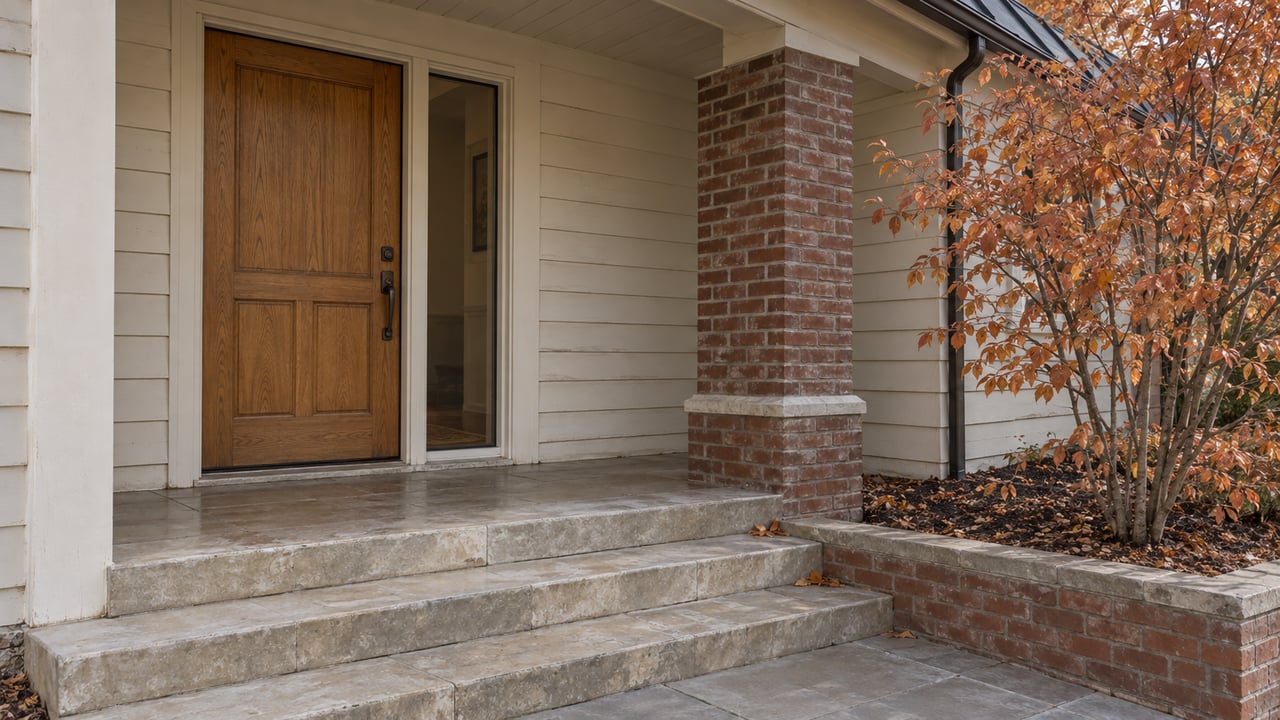
Recent listings show just how varied the market can be. Examples have included a custom brick-and-cedar two-story home, a custom ranch on a half-acre lot, a new-construction ranch on a half-acre lot, and a vacant 0.56-acre lot on Turnberry Golf Course.
Amenities are not one-size-fits-all
Lakewood’s lifestyle appeal often includes lakes, beaches, boating, golf adjacency, mature landscaping, and open space. But one of the most important buyer takeaways is that not every amenity automatically transfers with every property.
Some homes are subject to additional neighborhood organizations, deed restrictions, or subdivision guidelines. The Lakewood Village Improvement Association references bylaws, deed restrictions, and subdivision regulations, while CCAPOA is a voluntary membership association that primarily serves properties in The Gates area and includes private beaches, docks, moorings, and a gated boat launch.
That means you should never assume a listing includes lake rights, beach use, dock access, or boat launch privileges without verification. You will want clear documentation on what transfers with the property, whether membership is optional or required, and whether there are dues or separate rules involved.
This is especially important for resale. Amenity access can affect how a home is positioned in the market later, so it helps to know exactly what you are buying now.
Village rules can affect daily ownership
Beyond neighborhood associations, Lakewood also has village-wide rules that can shape everyday ownership. The Architectural Review Process applies throughout the village, and local regulations also address stormwater, open leaf burning, phosphorous-based fertilizers, and permits for removing certain trees.
For many buyers, these rules are not deal-breakers. In fact, they may support the village’s well-kept appearance and natural setting. Still, they are worth understanding up front so you know what may be required if you plan to rework landscaping, remove trees, or make exterior changes.
This is one reason due diligence matters so much in Lakewood. The right home is not just about finishes inside the house. It is also about how the lot functions, what approvals may already exist, and what changes are realistic in the future.
What to look for during showings
When you tour homes in Lakewood, try to look beyond staging and surface updates. A beautiful kitchen matters, but the lot, the approvals, and the amenity details may have just as much impact on long-term value.
Here are a few smart questions to ask during showings and inspections:
- Which zoning district applies to this property?
- Is there a neighborhood association, deed restriction, or subdivision rule set?
- Are there recorded approvals for additions, roofs, decks, fences, pools, landscaping, or other visible exterior work?
- What exactly transfers with the property, including any lake, beach, dock, or boat launch access?
- What are the lot dimensions, drainage patterns, easements, and tree-removal limits?
- Is the home served by municipal water and sewer?
- How does stormwater move off the lot during heavy rain?
- Which nearby Lakewood sales best match this home’s lot, style, and amenity access?
These questions can help you avoid surprises. They can also help you compare homes more accurately in a market where two properties with similar square footage may offer very different ownership experiences.
Resale value often ties back to site and documentation
In Lakewood, resale value is often about more than interior updates. Based on the village’s rules, zoning structure, and neighborhood association framework, homes that fit the village’s custom-site character may have an edge when they show strong curb appeal, thoughtful updates, and clear approvals for exterior work.
Documentation matters too. If a home includes beach access, lake rights, or association-related benefits, buyers will usually want that spelled out clearly. If previous improvements were made, having records in place can also make a future sale smoother.
This is one area where local market judgment really helps. In a village like Lakewood, the best comparable sales are not always the ones closest in size alone. Lot setting, neighborhood section, and amenity access can all influence how buyers respond.
How to buy with more confidence in Lakewood
If Lakewood is on your short list, the goal is not just to find a home you love today. It is to buy with a clear understanding of how the property fits the village, what rights and rules come with it, and how it may perform when you are ready to sell.
A calm, informed approach usually works best here. That means comparing homes carefully, verifying property-specific details early, and weighing site quality and amenity access right alongside price and condition.
Lakewood can be a wonderful fit if you want space, a natural setting, and a more custom residential feel. The key is making sure the home you choose matches both your lifestyle and your long-term plans.
If you are thinking about buying in Lakewood and want practical guidance on pricing, neighborhood differences, and what to watch for before you make an offer, Mandy Montford is here to help.
FAQs
What makes Lakewood homes different from nearby Crystal Lake homes?
- Lakewood generally has a higher price point, a more custom-home feel, larger lot patterns in many areas, and property-specific differences tied to amenities, site orientation, and local rules.
What types of homes are most common in Lakewood?
- Detached single-family homes dominate the market, making up 92.9% of the housing stock, with a high owner-occupancy rate and many homes offering 4 or more bedrooms.
What should buyers ask about Lakewood property amenities?
- You should ask exactly what transfers with the property, including any lake rights, beach access, dock use, boat launch privileges, association membership, dues, or deed-based restrictions.
What should buyers know about Lakewood exterior changes?
- Lakewood has an Architectural Review Process that applies to all property in the village, and many new construction projects, additions, and exterior changes are subject to review.
Why is lot size so important when buying a Lakewood home?
- Lot size can influence privacy, drainage, usable outdoor space, future improvement options, and resale appeal, and it is often a major factor in how buyers compare homes in Lakewood.