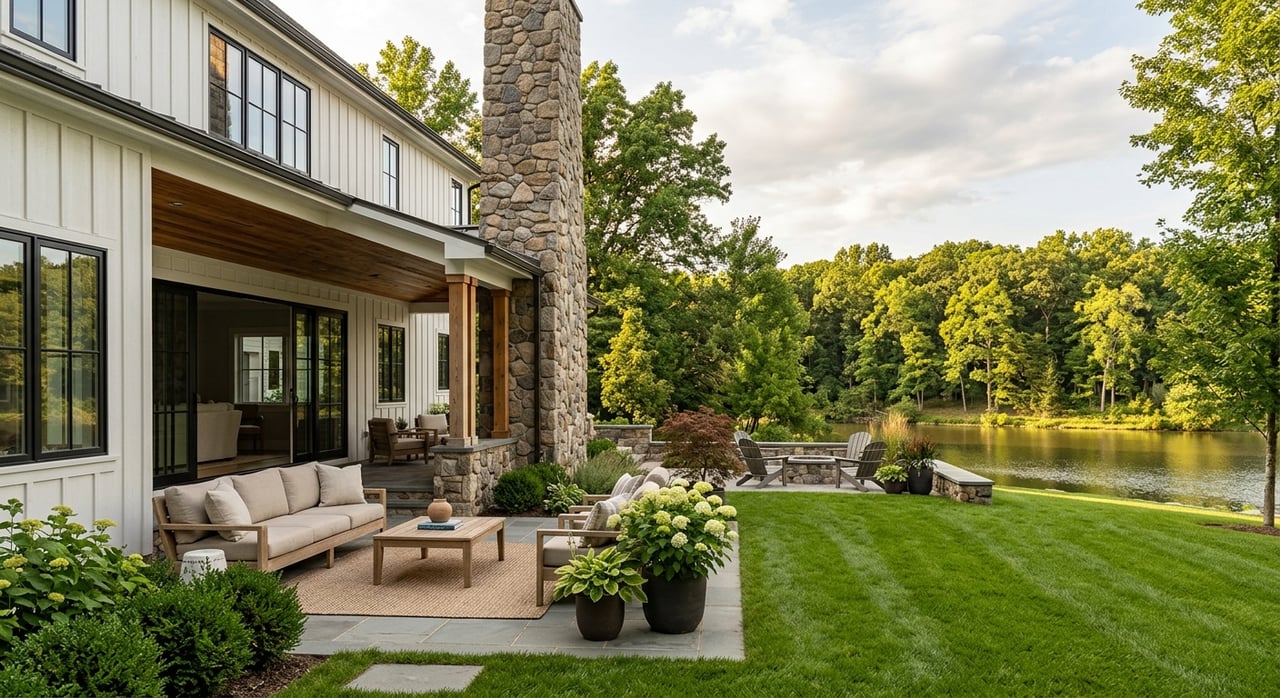
If you are drawn to Lakewood for the water views or golf-course setting, you are not alone. What stands out here is that these features are not just pretty backdrops. They shape how you spend weekends, how neighborhoods feel, and even how the village manages open space and daily life. If you are trying to understand what living here really feels like, this guide will help you see how lake and golf living influence the rhythm of Lakewood. Let’s dive in.
Lakewood Is Built Around Open Space
Lakewood presents itself as a mostly residential community shaped by open space, lakes, wetlands, and bike paths. Village materials note about 4,283 residents, more than 1,500 homes, roughly 650 acres of open space, six lakes, and four golf courses.
That matters because it tells you something important right away. In Lakewood, the natural setting is not an extra perk added onto suburban life. It is a core part of how the village is planned, experienced, and maintained.
The village also describes a long-term vision centered on miles of bike paths connected to a regional network and neighborhoods that work with natural terrain features. If you want a community that feels more landscape-oriented than heavily built up, Lakewood was clearly designed with that in mind.
How Lake Living Shapes Everyday Life
Lake living in Lakewood is often more practical and structured than people expect. Rather than casual shoreline access everywhere, daily lake use tends to revolve around beach access, launch rules, and neighborhood-specific privileges.
Lakewood residents are part of the Crystal Lake Park District and can use its parks, facilities, and programs at resident rates. The park district offers lake usage decals for Crystal Lake boat launching, and Lakewood and Crystal Lake jointly regulate and patrol the lake.
That setup creates a lifestyle that feels organized and community-based. You are not just living near water. You are living near a managed local resource that comes with access points, shared rules, and a stewardship model.
Beach Access Is Part of the Routine
Crystal Lake has two public beaches available to Lakewood residents, and village materials say both have lifeguards and picnic areas. West Beach is within Lakewood, and parking at the beaches is free with a Lakewood vehicle sticker.
For many households, that can shape the flow of summer. Instead of planning long day trips, you may be packing up for a quick beach stop, meeting friends for a picnic, or spending an easy afternoon by the water close to home.
Some homeowners’ associations also maintain private beaches for members. That means the lake lifestyle can vary depending on where you live in the village and what kind of neighborhood access comes with the property.
Lake Activities Go Beyond the View
At Main Beach, small craft rentals include canoes, rowboats, paddle boats, and small sailboats. That adds another layer to daily life in and around Lakewood, especially for residents who want time on the water without needing a private waterfront setup.
Nearby recreation also strengthens that feeling. The City of Crystal Lake notes that Three Oaks Recreation Area includes hiking trails, fishing, a spray park, a sandy beach, and picnic areas, while the Crystal Lake Park District oversees the 238-acre Crystal Lake and its beaches.
So even if your home is not directly on the shoreline, the area still feels connected to water-based recreation. For many buyers, that is a big part of Lakewood’s appeal.
The Lake Comes With Stewardship
One detail that says a lot about Lakewood is how lake access connects to care for the resource itself. According to the Crystal Lake Park District, revenue from lake decals supports lake ecology work.
That gives the lake lifestyle a different tone than pure resort-style marketing. In Lakewood, the water is not treated as scenery alone. It is part of a shared environment that the community actively manages and protects.
How Golf Living Changes the Feel of the Village
Golf is just as woven into Lakewood’s identity as the lake setting. Village materials point to four golf courses in the community, and golf here functions as both recreation and a social anchor.
This is one reason Lakewood can feel different from other nearby residential areas. Fairways, clubhouses, wetlands, and landscaped course views shape both the look of the village and the routines of the people who live there.
RedTail Adds Recreation and Gathering Space
RedTail Golf Club is village-owned, open to the public, and opened in 1992 as the former Lakewood Golf Course. The village describes it as an 18-hole championship course set among wetlands and scenic terrain, with reduced greens fees for residents.
That alone makes golf more accessible for local residents. It is not only a private-club concept. It is part of the public-facing recreation mix in the village.
In January 2025, the village announced a new RedTail clubhouse with a bar, restaurant, outdoor patios, an event room, and an event tent. That is an important lifestyle clue because it shows golf in Lakewood is also about dining, events, and gathering space, not just playing a round.
Golf Communities Shape Social Life Too
Turnberry Golf Club describes itself as a family-oriented golf club community in Lakewood and highlights a large clubhouse, banquet room, and four tennis courts. The village also lists Crystal Woods and Craig Woods among local golf options.
Taken together, these amenities suggest that golf influences daily life in more ways than one. Some residents may be regular golfers, while others may value the dining, event spaces, tennis, or the visual calm of living near a course.
In that sense, golf acts like part of the community’s social infrastructure. It helps create places where people gather, celebrate, dine, and spend time outdoors.
What Homes and Neighborhoods Feel Like
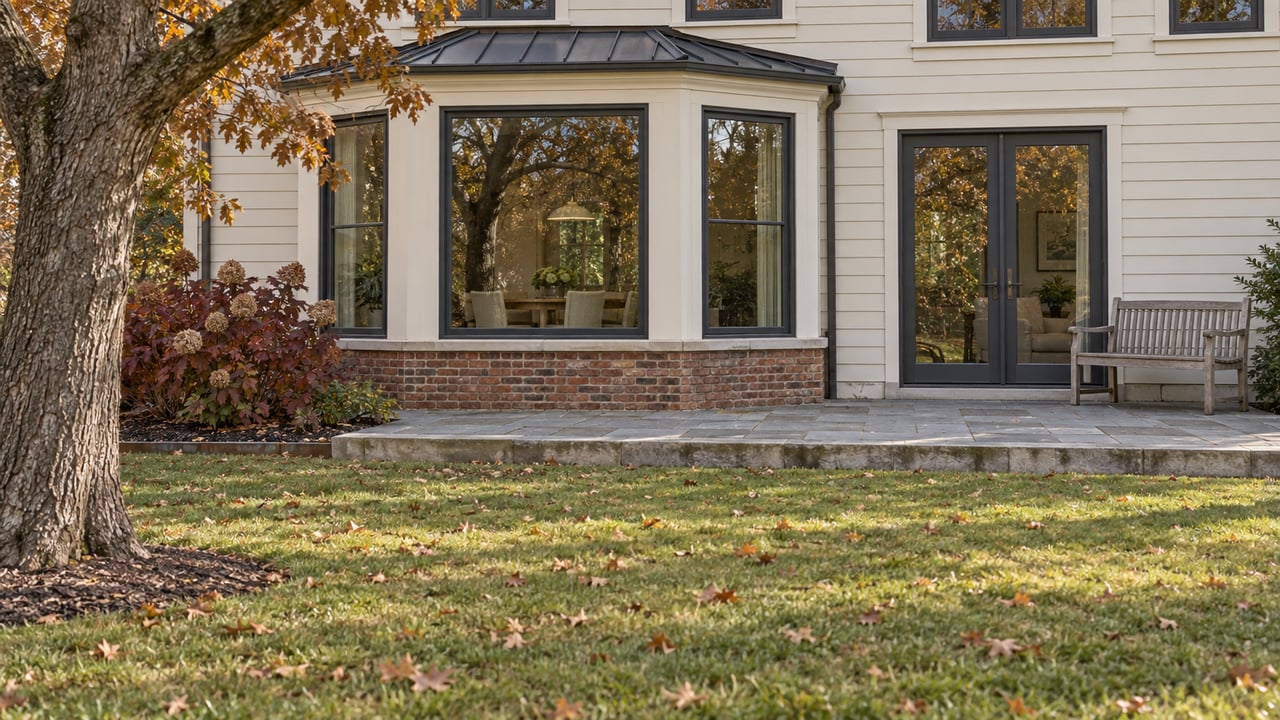
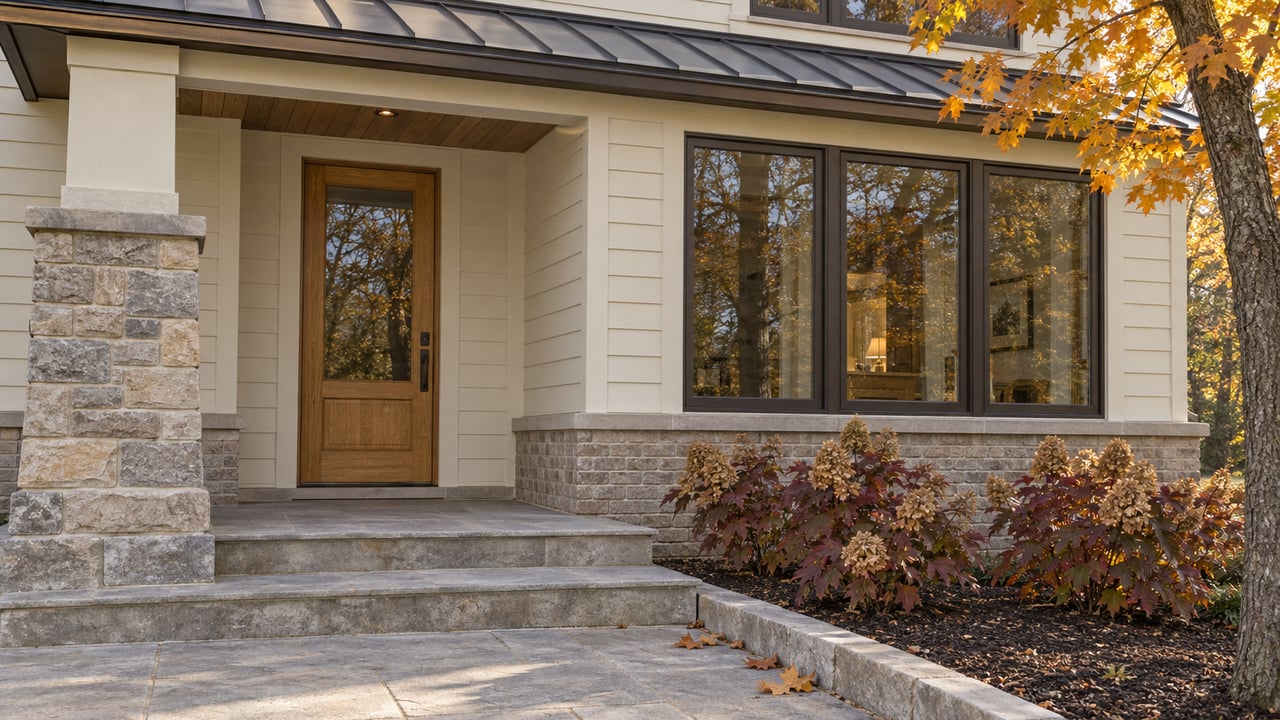
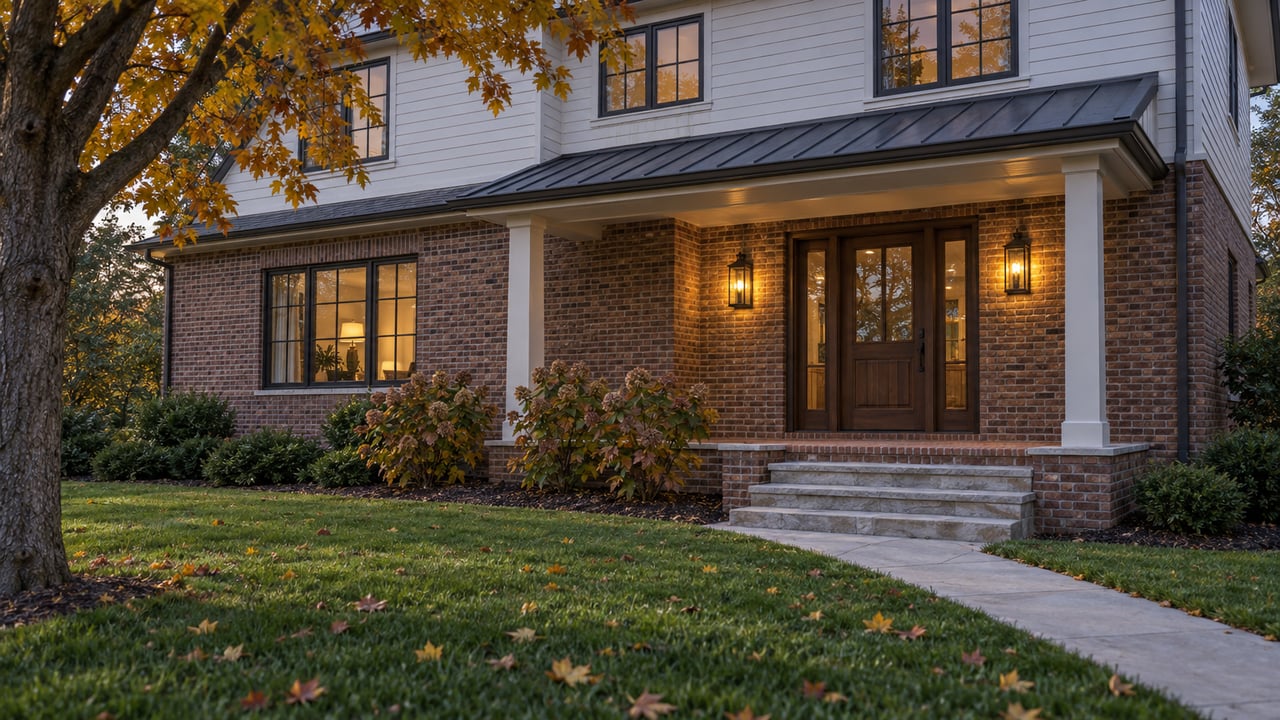
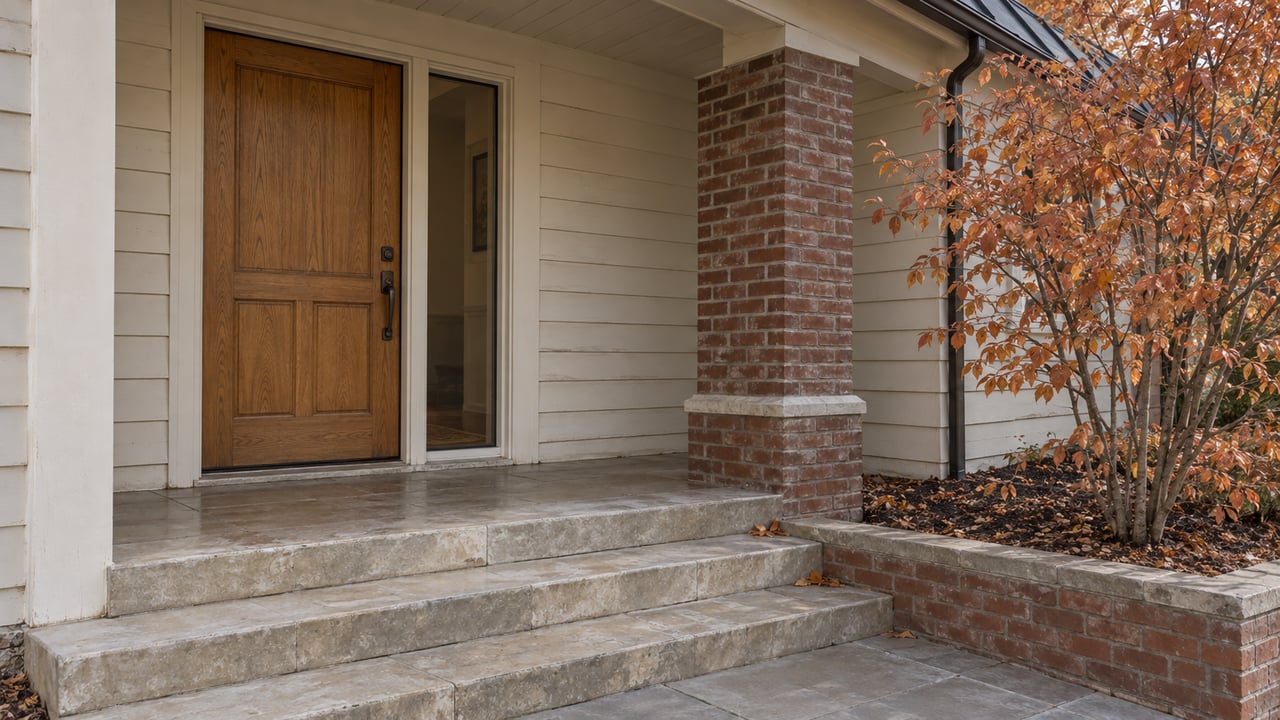
Lakewood’s housing story fits the lake-and-golf setting. Village materials emphasize varied home styles, natural surroundings, and planned neighborhoods that work with wetlands and open space.
Development information also points to single-family villas with maintenance-free living and larger single-family lots in natural settings. In practice, that suggests Lakewood tends to offer low-density residential living rather than a dense multifamily feel.
For buyers, that often translates into a more spacious visual environment. You may notice more landscape, more separation between uses, and a stronger connection between the home and the surrounding terrain.
Neighborhood Rules Help Preserve the Setting
Lakewood’s local regulations support the community’s landscape-oriented identity. The village prohibits open leaf burning, limits noise and outdoor power-tool hours, bans phosphorous-based fertilizers, and restricts off-season outdoor storage of boats, trailers, and RVs in some subdivisions.
These rules may feel small at first glance, but they influence how neighborhoods look and sound over time. They also reflect a broader local focus on protecting water quality and maintaining the village’s open, orderly character.
McHenry County’s water plan notes that local water resources and aquifers are vulnerable. That gives useful context for why Lakewood places such visible emphasis on landscape and water-related regulations.
Why Lakewood Still Feels Convenient
A lifestyle centered on lakes, trails, and golf can sound tucked away, but Lakewood also offers everyday practicality. The village points residents toward Route 14, downtown Crystal Lake, and the Randall Road corridor for retail and errands.
Lakewood is also accessible from I-90 via Randall Road or Route 47. For commuters, the welcome packet notes train service to Chicago from downtown Crystal Lake.
That balance matters. You can enjoy a setting defined by open space and recreation without feeling disconnected from shopping, dining, and regional travel routes.
Trails Connect More Than Recreation
The village’s vision includes miles of bike paths linked to a regional network, and the county’s bike and pedestrian plan frames trails as useful for commuting, recreation, shopping, and social trips. That helps explain why Lakewood’s trail system is more than a scenic bonus.
It supports how people move through the area. Trails can connect homes to parks, recreational areas, downtown destinations, and other daily-use places.
For many buyers, this adds to the appeal of the village’s layout. It supports a lifestyle that feels active and connected without being overly busy.
What This Means If You Are Buying or Selling
If you are buying in Lakewood, it helps to look beyond the listing photos. The real lifestyle difference often comes down to how a home relates to beach access, HOA amenities, golf facilities, open space, and trail connections.
Two homes with similar square footage can offer very different day-to-day experiences depending on their setting and neighborhood structure. That is why local context matters so much here.
If you are selling, understanding Lakewood’s lifestyle story can help shape how your home is positioned. Features tied to outdoor access, neighborhood setting, golf proximity, low-maintenance living, or open-space surroundings may be especially meaningful to the right buyer.
Lakewood is not just selling houses. It is offering a distinct way of living in McHenry County, where water, golf, and open land influence daily routines throughout the year.
If you want help understanding how a specific neighborhood, property, or homesite fits into that lifestyle, Mandy Montford can help you make sense of the details and move forward with confidence.
FAQs
How does lake access work for Lakewood residents?
- Lakewood residents are part of the Crystal Lake Park District, can use its parks and programs at resident rates, and can access Crystal Lake through beach use and lake usage decals for boat launching, subject to local rules and regulations.
Are there public beaches available in Lakewood?
- Yes. Village materials say Crystal Lake has two public beaches available to Lakewood residents, including West Beach within Lakewood, and both offer lifeguards and picnic areas.
Is golf in Lakewood only for avid golfers?
- No. Golf in Lakewood also shapes dining, events, and social life through clubhouse spaces, patios, banquet facilities, and related amenities at local golf properties.
What kind of housing is common in Lakewood?
- Village planning and development materials suggest Lakewood is largely made up of low-density residential neighborhoods, including single-family homes and villa-style homes in natural, planned settings.
Does Lakewood feel isolated from shopping and commuting routes?
- No. The village points residents to nearby retail areas such as downtown Crystal Lake, Route 14, and the Randall Road corridor, and it notes access to I-90 and commuter train service from downtown Crystal Lake.