If you are looking for more space, more privacy, and a quieter daily rhythm, Bull Valley may stand out right away. This is not a typical suburb with dense neighborhoods, busy retail corridors, and short blocks lined with streetlights. Instead, you will find a rural village setting shaped by open land, larger parcels, and a strong focus on preserving the natural landscape. If you are considering a move here, understanding how daily life works can help you decide whether Bull Valley fits the way you want to live. Let’s dive in.
Bull Valley at a Glance
Bull Valley is a small village in McHenry County with about 1,269 residents spread across 9.8 square miles, according to Census Reporter’s ACS 2024 profile. That low population density is a big part of what makes the area feel open and quiet.
The village has long protected that character through land-use choices. Local history notes that residents voluntarily placed roughly 3,000 acres into 3-acre zoning in 1955, which helped establish the estate-style, low-density pattern you still see today.
The Setting Feels Rural by Design
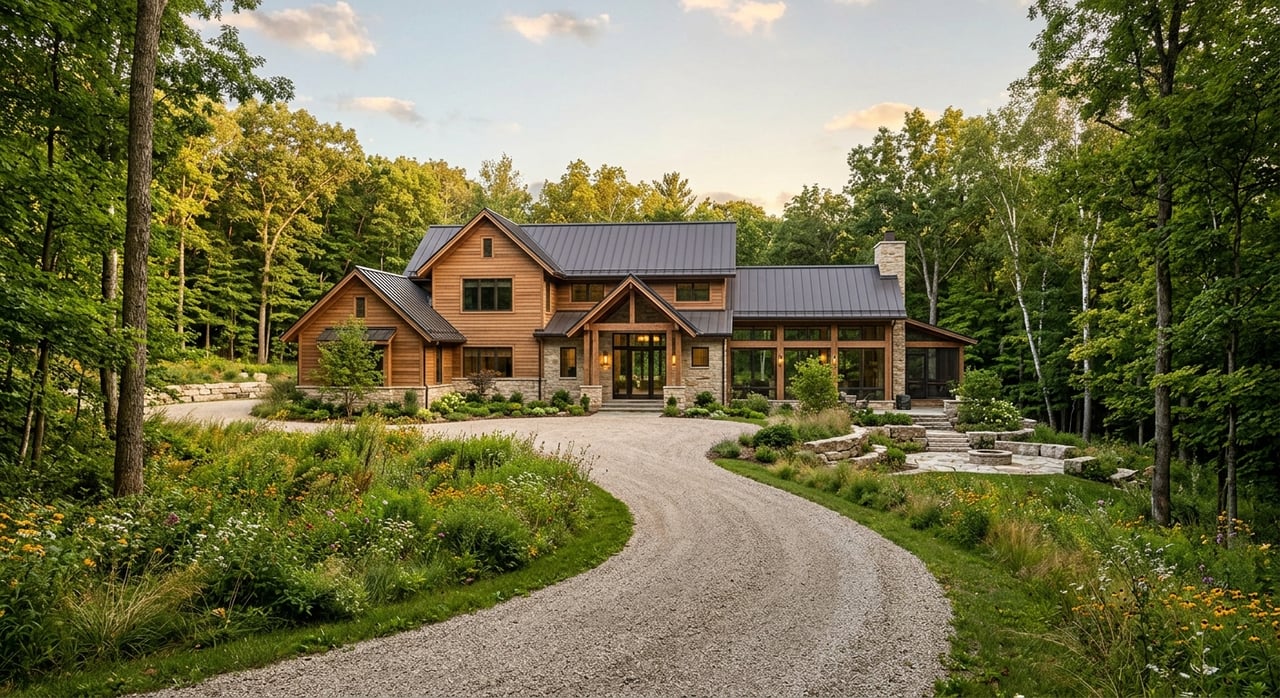
Living in Bull Valley means living in a place that values open space, woods, streams, wildlife, and wide views. The village describes its identity around preserving rural roads, dark skies, and native landscapes, which gives the community a more country feel than a conventional suburban one.
That rural atmosphere was not accidental. The village says incorporation gave residents more control over land use and growth, helping protect the low-density environment that draws many buyers to the area.
What Homes and Lots Are Like
One of the biggest draws in Bull Valley is space. The village is known for larger lots and a layout that supports privacy and separation between homes, which can appeal to buyers who want a more tucked-away setting.
This kind of layout also creates a different ownership experience than you may find in more built-up communities nearby. If you are moving from a typical suburb, Bull Valley may feel more land-focused and less centered on subdivisions, commercial zones, and dense street networks.
Expect Private Wells and Septic Systems
A key part of living in Bull Valley is understanding the infrastructure. The village does not have, and does not plan to have, a municipal water or wastewater system, so structures are served by private wells and septic systems.
For you as a buyer, that means a little more diligence during the home search and inspection process. Rural-style ownership can be a great fit, but it comes with responsibilities that are different from homes connected to municipal water and sewer.
Roads Feel More Country Than Suburban
Another daily difference is the road network. The village says roads are often unlit, narrow, winding, and hilly, which reinforces the rural setting.
That can be part of the charm if you want a scenic, quieter feel. It also means day-to-day driving may feel different from life in a more typical suburb with wider roads, brighter lighting, and a grid-style layout.
Daily Life Is Car-Dependent
Bull Valley is a village where driving is part of daily life. Because the community has a limited commercial base, most errands are likely to happen in nearby towns rather than within the village itself.
That trade-off is tied directly to Bull Valley’s preservation goals. The same planning choices that protect open land and low density also mean fewer nearby convenience stops and less of a walkable retail environment.
Shopping and Services Are Limited
If you like having stores, restaurants, and everyday services just a few minutes away on foot, Bull Valley may feel very different. The village notes that its first retail establishment opened in 2022, which helps illustrate how limited the commercial footprint has been.
Some properties along Route 120 and Walkup Road have been identified for possible commercial use. Still, the overall setting remains far more residential and land-focused than retail-driven.
Outdoor Living Is a Big Part of the Appeal
For many buyers, Bull Valley’s outdoor character is one of its biggest strengths. Conservation and habitat preservation are central to the village’s philosophy, and that shapes how the land looks and feels.
If you enjoy being surrounded by nature, this setting can be especially appealing. Open space is not just a backdrop here. It is a defining part of the community.
Trails and Preserved Land Add to Daily Quality of Life
The village notes nearly 6 miles of permanent trail easements for equestrian and other public uses. That gives the area a strong outdoor identity and supports a lifestyle centered on land, scenery, and recreation.
The preservation focus is also visible in places like Thompson Road Preserve in Bull Valley. The Land Conservancy of McHenry County describes it as a 275-acre preserve with five miles of hiking and horse trails in the Boone Creek headwaters area.
Equestrian Culture Is Part of the Community
Bull Valley also has a noticeable horse-oriented culture. The Bull Valley Riding Club maintains a private bridle-trail network for members who live in or board horses in or near the village.
Even if you are not an equestrian, that feature helps shape the feel of the area. Horses, trails, and larger parcels are part of what makes Bull Valley distinct within McHenry County.
Commuting From Bull Valley
Bull Valley offers a rural setting, but you are not completely cut off from regional travel options. For commuters, Metra’s Union Pacific Northwest line serves Crystal Lake, Woodstock, and McHenry.
That means rail access is available nearby while the village itself keeps its low-density character. If you need to balance a quieter home setting with access to the broader region, that can be an important advantage.
Schools Depend on the Address
If school boundaries matter in your home search, it is important to verify them carefully. McHenry County tax-code data shows Bull Valley parcels in School Districts 47, 155, and 200.
Community High School District 155 says Prairie Ridge High School serves students from Bull Valley. Because assignments can vary by property, you will want to confirm elementary, middle, and high school boundaries for any specific address before making a decision.
The Main Benefits of Living in Bull Valley
Bull Valley tends to appeal most to buyers who want a more private, spacious, and nature-oriented lifestyle. If that is your priority, the village offers a setting that can be hard to replicate in more conventional suburban communities.
Some of the biggest lifestyle benefits include:
- Larger parcels and lower-density surroundings
- A quiet setting with woods, streams, and open space
- A strong preservation mindset focused on natural resources
- Rural roads and dark skies that create a country feel
- Access to trails, conservation land, and equestrian amenities
- Nearby Metra access in surrounding communities
The Trade-Offs to Consider
Like any community, Bull Valley is a better fit for some buyers than others. The same qualities that make it attractive can also create practical trade-offs.
Before you move, it helps to think honestly about how you want your day-to-day life to feel. Key trade-offs include:
- More driving for errands and services
- Fewer nearby retail and dining options
- Private well and septic responsibilities
- Roads that may feel narrower, darker, and more winding than typical suburban streets
- A less urbanized environment with fewer municipal conveniences
Who Bull Valley May Be Best For
Bull Valley may be a strong fit if you want privacy, land, and a slower pace without leaving McHenry County. It can also appeal if you value natural surroundings and do not mind driving to nearby communities for many daily needs.
On the other hand, if you want a walkable downtown, dense retail options, or a more conventional suburban setup, you may find Bull Valley less convenient. In that way, the village offers a very specific lifestyle, and that is exactly why many people are drawn to it.
If you are weighing Bull Valley against Crystal Lake, Woodstock, McHenry, or other nearby communities, having local guidance can make the comparison much easier. When you want practical advice on how Bull Valley fits your goals, home search, and lifestyle, Mandy Montford can help you navigate the options with clear, steady guidance.
FAQs
What is the overall lifestyle like in Bull Valley, Illinois?
- Bull Valley offers a rural, low-density lifestyle centered on larger parcels, open space, natural scenery, and a quieter daily pace.
What should buyers know about utilities in Bull Valley homes?
- Bull Valley does not have municipal water or wastewater service, so homes are served by private wells and septic systems.
What is driving like in Bull Valley, Illinois?
- Village roads are often unlit, narrow, winding, and hilly, so driving tends to feel more like traveling on country roads than suburban streets.
Are there shopping and dining options in Bull Valley?
- Bull Valley has limited commercial development, so most routine errands and many services are typically handled in nearby towns.
What outdoor features make Bull Valley stand out?
- The village is known for open space, trail easements, conservation-minded planning, and access to preserved land such as Thompson Road Preserve.
Are there equestrian amenities in Bull Valley, Illinois?
- Yes. Equestrian culture is part of the community, and the Bull Valley Riding Club maintains a private bridle-trail network for eligible members.
How do school boundaries work in Bull Valley?
- School assignments can vary by address, with parcels located in Districts 47, 155, and 200, so buyers should verify boundaries for any specific property.
Is Bull Valley a good fit for commuters?
- It can be, especially if you want a rural home environment with access to nearby Metra service in Crystal Lake, Woodstock, or McHenry.